


Lenava LIMS is moving toward a new generation of intelligent laboratory operations by developing an AI assistant designed to support users inside the platform.
This upcoming capability is being developed to help laboratory users find guidance faster, understand system workflows more easily, access product knowledge, and receive contextual assistance while working with laboratory information.
The goal is to make Lenava LIMS not only a system for managing laboratory data, but also a smarter operational environment that can support users, improve adoption and reduce the time needed to find answers during daily work.
This upcoming capability is being developed to help laboratory users find guidance faster, understand system workflows more easily, access product knowledge, and receive contextual assistance while working with laboratory information.
The goal is to make Lenava LIMS not only a system for managing laboratory data, but also a smarter operational environment that can support users, improve adoption and reduce the time needed to find answers during daily work.
From Static Help to Intelligent Assistance
Traditional software help is often separated from the user’s real work. Users may need to search manuals, contact support, open PDF guides or ask colleagues to understand how to complete a task.
Lenava is moving toward a more intelligent support experience inside the product itself.
The planned AI assistant is being developed to help users access relevant product knowledge, workflow guidance and support information directly within the Lenava LIMS environment.
Traditional software help is often separated from the user’s real work. Users may need to search manuals, contact support, open PDF guides or ask colleagues to understand how to complete a task.
Lenava is moving toward a more intelligent support experience inside the product itself.
The planned AI assistant is being developed to help users access relevant product knowledge, workflow guidance and support information directly within the Lenava LIMS environment.
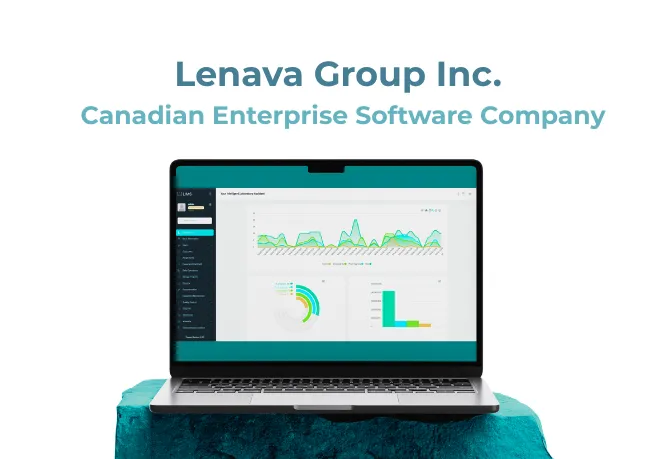
Lenava is developing an AI assistant to help users access product knowledge, workflow guidance and support information inside the LIMS platform.
AI Assistant Direction for Intelligent Laboratory Operations
The AI assistant direction is part of Lenava’s broader vision for intelligent laboratory operations.
Laboratory software should not only store information. It should help users understand what to do, where to go, how to complete tasks, and how to work with the system more confidently.
How the Planned AI Assistant Supports Users
The planned AI assistant is being designed to support this goal by connecting product knowledge, help content, workflow explanations, and support guidance into a more accessible user experience.
This can help users ask questions about how to use Lenava LIMS, understand common workflows, find relevant help articles, and receive guidance related to platform features.
Benefits for Laboratory Teams
For laboratory teams, this kind of assistance can reduce dependency on scattered documents, repeated support questions, and manual knowledge sharing.
It can also support onboarding, training, and day-to-day system adoption by making product knowledge easier to access at the moment users need it.
Built on Lenava’s Structured Platform Foundation
This direction builds on Lenava’s structured platform foundation. A useful AI assistant needs reliable product knowledge, organized help content, and clear workflow mapping behind it.
Lenava is developing this capability step by step:
With a focus on practical user support, product knowledge access, and future intelligent assistance inside the platform.
The AI assistant direction is part of Lenava’s broader vision for intelligent laboratory operations.
Laboratory software should not only store information. It should help users understand what to do, where to go, how to complete tasks, and how to work with the system more confidently.
How the Planned AI Assistant Supports Users
The planned AI assistant is being designed to support this goal by connecting product knowledge, help content, workflow explanations, and support guidance into a more accessible user experience.
This can help users ask questions about how to use Lenava LIMS, understand common workflows, find relevant help articles, and receive guidance related to platform features.
Benefits for Laboratory Teams
For laboratory teams, this kind of assistance can reduce dependency on scattered documents, repeated support questions, and manual knowledge sharing.
It can also support onboarding, training, and day-to-day system adoption by making product knowledge easier to access at the moment users need it.
Built on Lenava’s Structured Platform Foundation
This direction builds on Lenava’s structured platform foundation. A useful AI assistant needs reliable product knowledge, organized help content, and clear workflow mapping behind it.
Lenava is developing this capability step by step:
With a focus on practical user support, product knowledge access, and future intelligent assistance inside the platform.
Lenava’s Planned AI Assistant
Lenava’s planned AI assistant represents an important step toward smarter laboratory software.
By bringing product knowledge, workflow guidance, and support information closer to the user, Lenava LIMS can help laboratories improve adoption, reduce friction, and support more confident use of the platform.
Lenava’s Long-Term Vision:
This direction reflects Lenava’s long-term vision: building laboratory information platforms that are not only structured and traceable, but also more intelligent, helpful, and user-centered.
Lenava’s planned AI assistant represents an important step toward smarter laboratory software.
By bringing product knowledge, workflow guidance, and support information closer to the user, Lenava LIMS can help laboratories improve adoption, reduce friction, and support more confident use of the platform.
Lenava’s Long-Term Vision:
This direction reflects Lenava’s long-term vision: building laboratory information platforms that are not only structured and traceable, but also more intelligent, helpful, and user-centered.