



Laboratories generate a large volume of information every day, from sample records and test results to equipment history, quality documents, reports, customer communication and internal follow up. However, the real value of this information is created when data is not only stored, but structured, traceable and usable across the laboratory operation.
When laboratory information is managed through separate files, manual forms, spreadsheets or disconnected tools, operational control becomes harder over time. Finding records, reviewing changes, tracking responsibilities, preparing reports and responding to audit requirements can become slow, manual and highly dependent on individual users.
Structured data provides the foundation for turning daily laboratory activity into a controlled operational workflow. It helps organizations understand what was done, who performed it, when it was recorded, what changed and how each record connects to samples, tests, customers, equipment or final reports.
When laboratory information is managed through separate files, manual forms, spreadsheets or disconnected tools, operational control becomes harder over time. Finding records, reviewing changes, tracking responsibilities, preparing reports and responding to audit requirements can become slow, manual and highly dependent on individual users.
Structured data provides the foundation for turning daily laboratory activity into a controlled operational workflow. It helps organizations understand what was done, who performed it, when it was recorded, what changed and how each record connects to samples, tests, customers, equipment or final reports.
From Data Entry to Operational Control
Laboratory data becomes more valuable when it is recorded in the right place, in the right structure and in connection with the rest of the operation. A test result should not simply exist as a number or a separate file. It should be connected to the sample, test method, responsible user, execution time, related equipment, approval status and final report.
This structure allows the laboratory to follow the path of information from sample receipt to final reporting. As a result, decisions become faster, issue review becomes easier and responses to customers or auditors become more accurate.
Laboratory data becomes more valuable when it is recorded in the right place, in the right structure and in connection with the rest of the operation. A test result should not simply exist as a number or a separate file. It should be connected to the sample, test method, responsible user, execution time, related equipment, approval status and final report.
This structure allows the laboratory to follow the path of information from sample receipt to final reporting. As a result, decisions become faster, issue review becomes easier and responses to customers or auditors become more accurate.
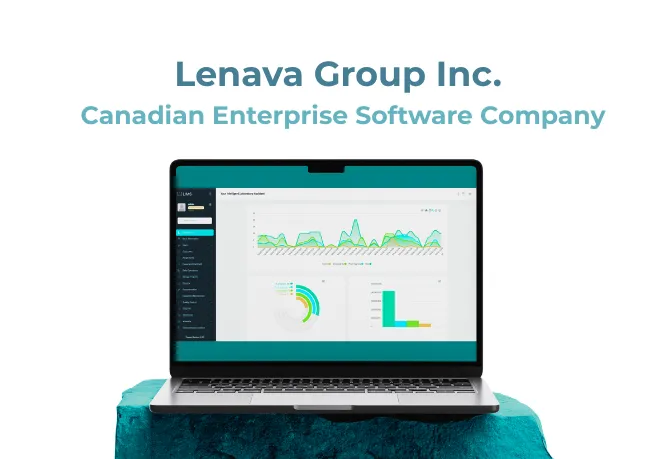
Structured laboratory data is the foundation for traceability, control, reporting and audit readiness across laboratory operations.
Why Structured Data Matters in Laboratory Operations
One of the common challenges in laboratories is that information exists, but it is not always easy to use when needed. Data may be spread across several files, forms, emails, or separate systems. In this situation, the organization must spend significant time collecting and matching information in order to build a complete view of its operations.
Structuring data reduces this problem. When information is recorded within a clear framework, each record has a defined place and its connection to other parts of the operation becomes easier to understand. This is important not only for daily management, but also for quality control, record review, performance analysis, and management decision making.
Structured Data in Standards-Based and Audit-Driven Environments
In standards-based and audit-driven environments, structured data becomes even more important. A laboratory must be able to show how information was recorded, who had access to it, what changes were made, and how related records were maintained. Without the right structure, this level of transparency often depends on manual effort and significant time.
Lenava LIMS is designed with this need in mind:
Creating a digital environment where laboratory data is managed in connection with processes, users, samples, equipment, documents, and reports. The goal is not only to digitize forms. The goal is to create an operational structure that strengthens control, traceability, and management visibility.
Structured Data as a Foundation for Analytics and Intelligent Capabilities
Structured data also opens the path for better use of analytics and intelligent capabilities. Before an organization can benefit from advanced reporting, smart alerts, trend analysis, or AI-assisted capabilities, it needs reliable, organized, and interpretable data.
Structured Data and Laboratory Operational Maturity
For this reason, structured data is not only a technical topic. It is part of laboratory operational maturity. A laboratory that manages its information in a structured and traceable way is better prepared for growth, quality control, accountability, performance improvement, and the move toward more intelligent operations.
One of the common challenges in laboratories is that information exists, but it is not always easy to use when needed. Data may be spread across several files, forms, emails, or separate systems. In this situation, the organization must spend significant time collecting and matching information in order to build a complete view of its operations.
Structuring data reduces this problem. When information is recorded within a clear framework, each record has a defined place and its connection to other parts of the operation becomes easier to understand. This is important not only for daily management, but also for quality control, record review, performance analysis, and management decision making.
Structured Data in Standards-Based and Audit-Driven Environments
In standards-based and audit-driven environments, structured data becomes even more important. A laboratory must be able to show how information was recorded, who had access to it, what changes were made, and how related records were maintained. Without the right structure, this level of transparency often depends on manual effort and significant time.
Lenava LIMS is designed with this need in mind:
Creating a digital environment where laboratory data is managed in connection with processes, users, samples, equipment, documents, and reports. The goal is not only to digitize forms. The goal is to create an operational structure that strengthens control, traceability, and management visibility.
Structured Data as a Foundation for Analytics and Intelligent Capabilities
Structured data also opens the path for better use of analytics and intelligent capabilities. Before an organization can benefit from advanced reporting, smart alerts, trend analysis, or AI-assisted capabilities, it needs reliable, organized, and interpretable data.
Structured Data and Laboratory Operational Maturity
For this reason, structured data is not only a technical topic. It is part of laboratory operational maturity. A laboratory that manages its information in a structured and traceable way is better prepared for growth, quality control, accountability, performance improvement, and the move toward more intelligent operations.
The full value of laboratory data is realized when an organization can trust it, follow it and use it for decision making. Structured data is a foundation for modern laboratories that want stronger control, greater transparency and better readiness for the digital future.